Face Turns Red After Just One Drink? The FP Duoduo Team on Asian Flush and Staying Safe at Work Drinking Events
"My family member turns red and dizzy as soon as they drink" is the question FP customer service hears most during year-end banquet season. This article covers why Asian flush happens, the Health Promotion Administration's daily safe drinking limits, and eating and rest tips for before and after work drinking events. For related testing, please consult a qualified medical professional.
Translated from the Traditional Chinese original.
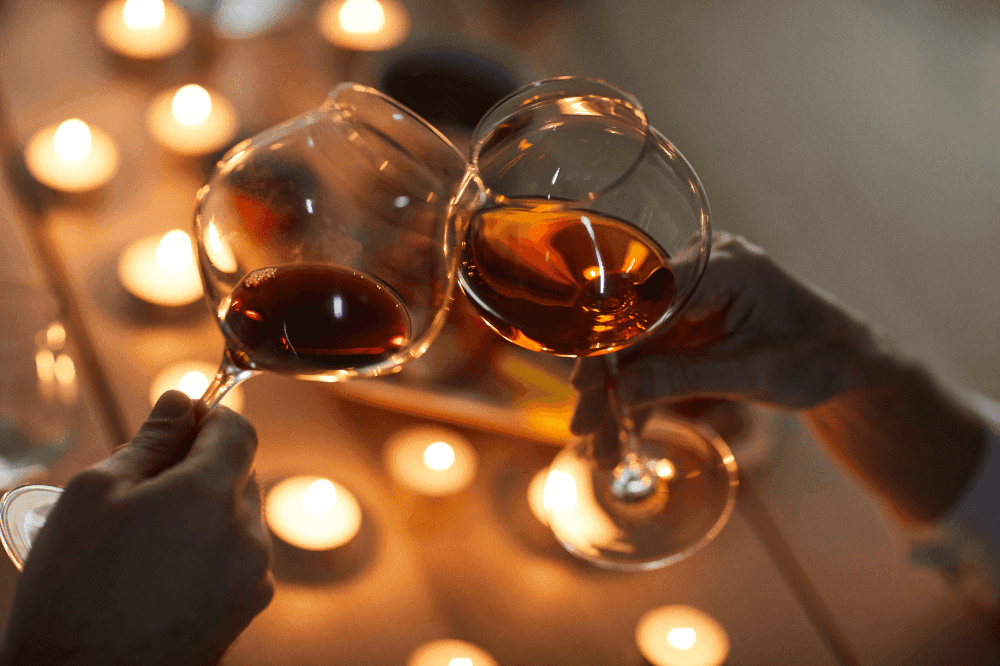
Every year when year-end banquets, Christmas and New Year's Eve come around, the FP Duoduo team's customer service gets the same kind of question: "Every time my family member drinks at a work dinner, their whole face turns red, and they throw up when they get home. Is that normal?" This article goes from genes to practical tips to help you or your family avoid trouble. For related health risks and testing, please consult a qualified medical professional. What we share here is general knowledge.
Why Does Drinking Make Your Face Turn Red?
Your liver processes alcohol in two steps:
- Alcohol → turns into acetaldehyde through alcohol dehydrogenase (ADH)
- Acetaldehyde → turns into acetic acid through aldehyde dehydrogenase (ALDH2)
A red face after drinking is usually linked to lower ALDH2 activity in the second step. As acetaldehyde builds up, it causes the small blood vessels to widen.
Acetaldehyde Is Listed as a Group 1 Carcinogen
The World Health Organization's International Agency for Research on Cancer (IARC) has listed acetaldehyde as a Group 1 carcinogen. Research shows that a relatively high share of Asian people have lower ALDH2 activity. This is important health information, and it is also why people whose faces turn red when drinking should be even more careful about how much they drink. For related testing and risk assessment, please consult a qualified medical professional.
Can You Train Yourself to Drink More?
The amount of ALDH2 you have is set by your genes and cannot be increased through practice. Getting "trained up" mostly means you become less sensitive to the discomfort, while the amount of acetaldehyde building up in your body does not go down. It actually goes up because you end up drinking more. This is the most important health message we share in our stores: don't let coworkers pressure you into drinking and ignore the warning signs from your body.
5 Ways to Protect Yourself at Work Drinking Events
- Eat before you drink: Go for foods with protein, fat and fiber (like a boiled egg, avocado toast or a serving of vegetables). Don't drink on an empty stomach.
- Have 1 glass of water with every drink: Keep a 1:1 ratio and drink at least 1500ml of water over the night.
- Choose drinks with lower alcohol content and avoid mixing: Mixing different kinds of alcohol can make a hangover worse.
- Keep a balanced diet: During the busy dinner season, keep eating three regular meals, don't be picky and don't skip meals.
- Rest well afterward: Drink plenty of water that night, get enough sleep, and have some protein plus fruits and vegetables for breakfast the next day.
Daily Safe Drinking Limits (Health Promotion Administration Version)
- Men: No more than 2 alcohol units per day (about 20g of alcohol)
- Women: No more than 1 alcohol unit per day (about 10g of alcohol)
- Trying to conceive, pregnant or breastfeeding: the safe amount is 0, so don't drink
These numbers are for people whose faces don't turn red. If yours does, it's best to cut that in half or not drink at all.
FP Observations: 3 Things Customers Often Ask
- "Do hangover drinks help?" No matter what product you take, don't assume it means you can safely drink more. Controlling how much you drink is what really matters.
- "Can exercising before drinking help me handle alcohol better?" No. Exercise speeds up blood flow, which actually makes alcohol get absorbed faster.
- "If my face doesn't turn red, does that mean I'm fine?" Not necessarily. How your blood vessels react doesn't always match your ALDH2 activity.
Duoduo Team Wrap-Up
A red face after drinking is a warning light from your body, not just a social label for someone who "can't hold their drink." If you want to understand your own situation, consider talking to a professional about genetic testing. If you or someone close to you is in this group, the smartest approach is to turn down pressure to drink, drink slowly, drink plenty of water, and plan your meals and rest well before and after work drinking events.
This article is for general information only and is not medical advice. Products mentioned are foods or cosmetics, not medicines, and have no medical effect. If you have a specific health condition, please consult a doctor or dietitian. Orders ship within Taiwan only.