How to Take Probiotics? FP's Complete Guide to Timing, Strains and Things to Watch For
"What's the right way to take probiotics?" A lot of the time, the way you take them just needs a small adjustment. The FP Duoduo team has put together suggested timing, common mistakes (taking them with hot water, taking them with antibiotics, not following the serving size, low bacteria counts) and buying tips, so the probiotics you take are actually alive when you take them.
Translated from the Traditional Chinese original.
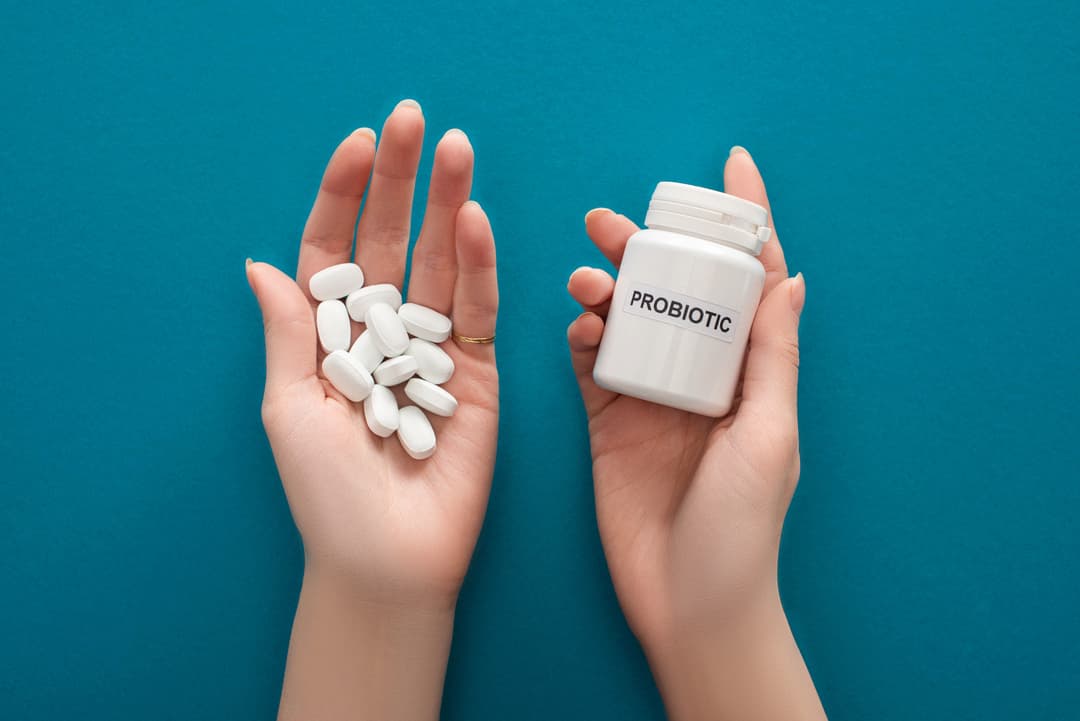
"When should I take probiotics?" "What can I take them with?" The FP Duoduo team's customer service gets these questions every week. A lot of the time, the way people take them just needs a small adjustment. Today we're laying out the timing, pairing and storage of probiotics clearly.
1. When Should You Take Probiotics?
Different strains have different suggested timing. This is something most people don't know:
| Strain type | Suggested timing | Reason |
|---|---|---|
| Lactobacillus | 30 minutes after a meal | Food helps buffer stomach acid |
| Bifidobacterium | 30 minutes before a meal / on an empty stomach | Adapts better to the stomach environment |
| Bacillus (spore-forming) | Any time | Has a protective coating |
| Multi-strain blend | After a meal | Better overall protection |
2. Four Common Mistakes
Mistake 1: Taking them with hot water or hot drinks
Probiotics don't handle heat well (large numbers die above 40°C). Take them with warm water (30 to 37°C) or room temperature water.
Mistake 2: Taking them together with antibiotics
Antibiotics clear out probiotics too. If you're taking antibiotics, wait at least 2 hours before taking probiotics.
Mistake 3: Not following the serving size on the package
Just follow the daily serving shown on the package. Don't take several servings at once, and don't only take them when you happen to remember.
Mistake 4: Choosing a product with a low bacteria count
We suggest 10 billion CFU or more per day. Supplements with too low a count are easily used up in stomach acid and bile.
3. Three Things to Look For When Buying
- Bacteria count: 10 billion CFU or more per day (JEROSSE 婕樂纖高機能益生菌 has 20 billion or more).
- Strain variety: at least 5 to 10 strains.
- Encapsulation technology: special encapsulation that can handle the stomach and bile environment (such as a triple-layer coating or microcapsules).
4. Reminders Before Taking Them
If you keep having physical discomfort, please talk to a doctor or dietitian first. Don't use food products in place of seeing a doctor.
5. Pair Them With Foods That Contain Dietary Fiber
In your everyday meals, you can also include more foods that contain dietary fiber. Some suggestions:
- 5 fist-sized portions of vegetables and fruit every day.
- Eat more oats, brown rice and beans.
- Bananas, onions and garlic contain natural oligosaccharides.
FP Notes
- The mistake customers make most often: having them with soy milk at breakfast is fine, but if the soy milk is hot, let it cool to warm before adding them.
- Look at the "count at the end of the shelf life," not the "count at manufacture" (many brands list the manufacture count, which is misleading).
Final Thoughts
Probiotics are part of your everyday diet. Just take them at the serving size and timing shown on the package. 婕樂纖高機能益生菌, carried by the FP Duoduo team, uses triple-layer encapsulation technology, a high count of 20 billion CFU, and a formula with 10 or more strains. If you have any questions, please reach out to our customer service nutritionist.
This article is for general information only and is not medical advice. Products mentioned are foods or cosmetics, not medicines, and have no medical effect. If you have a specific health condition, please consult a doctor or dietitian. Orders ship within Taiwan only.