Your Personality After a Few Drinks: 5 Drunk Types and the One You Should Avoid Most
Drunk behavior mostly falls into five types: cheerful and happy, social and chatty, relaxed and sleepy, sad and gloomy, and anxious and agitated. The one to avoid most is the anxious and agitated type. The FP 朵朵 team sums up what each type is usually like, how to handle them at the table, three signs of alcohol addiction, and how to plan your night at year-end parties and spring banquets.
Translated from the Traditional Chinese original.
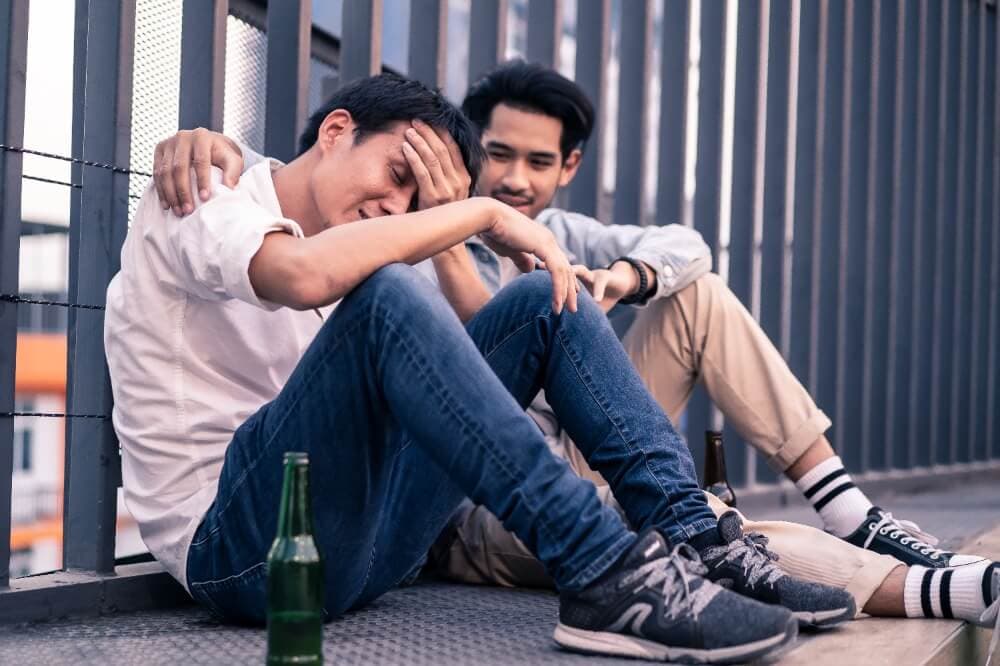
Drunk behavior mostly falls into five types: cheerful and happy, social and chatty, relaxed and sleepy, sad and gloomy, and anxious and agitated. The one to avoid most is the anxious and agitated type. If you run into one, don't try to reason with them, don't provoke them, and keep your distance. Call 110 or 113 if you need to. Psychologists say the personality people show after drinking is often the side their reason keeps in check the rest of the time.
Every year during year-end parties, spring banquets, and holiday dinners, the customer service team at JEROSSE 婕樂纖仙女館 gets messages like this: "My husband is usually so gentle. Why does he turn into a different person when he drinks?"
Why alcohol makes people "turn into someone else"
The prefrontal cortex is the part of the brain that handles judgment, and it is also the part that hits the brakes. Alcohol dampens its judgment, so the feelings, thoughts, and urges someone has held back all day come out more easily.
So the way people act when drunk isn't an act. It's more like the side they usually keep under tight control finally showing up. The coworker who always chooses their words carefully starts saying what's really on their mind after three drinks. The partner who is usually calm suddenly gets loud at home. Both come from the same mechanism.
The point of knowing these types isn't to judge anyone. You only need to figure out two things: which people to keep your distance from, and which situations to prepare for.
The five drunk types and what each is usually like
Type 1 | Cheerful and happy
Once they loosen up, they laugh out loud, sing, dance, and pull people into conversation, and the whole table warms up with them. These people are outgoing to begin with, and alcohol just turns up the energy they already have. They tend to be optimistic about the future and open-minded, and they are the fun ones at any gathering.
Type 2 | Social and chatty
Usually they sit in the corner and barely speak, but after a few drinks they suddenly open up, talking about their career goals or telling their whole love story from the beginning. These people are often reserved and shy, and alcohol helps them say what they want to say. Most of them are driven, and deep down they want to be noticed.
Type 3 | Relaxed and sleepy
A few sentences in, they find a seat and fall asleep. They are easygoing and don't sweat the small stuff, and for them drinking is purely a way to relax.
Type 4 | Sad and gloomy
They start talking about the past and their regrets, and cry as they drink. People who cry when drunk are often sensitive and care too much about what others think. They usually keep their feelings well tucked away, and once they drink it all comes pouring out.
Type 5 | Anxious and agitated
Everyone gets on their nerves, their words have an edge, and in serious cases they throw things or get physical. These people have a lot of pride and have held things in for a long time. Once alcohol lets go of the brakes, their resentment goes in the wrong direction.
What you can do when someone at your table is drunk
The first four types each call for something different, so here they are one by one.
The cheerful and happy type is easy to be around. What you should watch for is them having so much fun that they spend the whole night toasting and forget to drink water. If you're sitting next to them, just slide a glass of water their way.
The social and chatty type needs an outlet. Just listen. Don't cut in, and don't rush to give advice. When they go from work to relationships, nod, say a word or two, and let them finish. If halfway through they bring up something they wouldn't want the whole table to hear, move outside the private room or to a quieter corner before you keep listening.
The relaxed and sleepy type is the safest drinking buddy. What you need to look after is what happens once they fall asleep. Don't let them sleep alone in a corner where no one is watching. Safety comes first. Before the party ends, you can do this:
- Let them sleep somewhere everyone can see, like the sofa in the private room, not in a hallway or next to the restroom.
- Before the party ends, agree on who will take them home.
- When they wake up, make sure someone is with them or that they're already in a ride home.
- The last person to leave should glance back at the seats to make sure nobody got left behind.
The sad and gloomy type needs company, but don't sink down with them. First help them move to a quieter seat, where it's easier to talk than at the lively main table. Get them some water, and once their mood settles, take them home when the time feels right. Just listen to the regrets they share that night, and there's no need to bring them up again the next day.
Handling the anxious and agitated type: look after yourself first
Don't reason with them, don't provoke them, and keep your distance. At this point alcohol has taken over their judgment. They won't take in anything you say, and talking back only makes things tenser.
If you're there in person, follow these steps in order:
- First step back out of their reach, and clear away any bottles and glasses on the table if you can.
- Don't respond and don't argue about who's right. Whatever they shout, don't answer for now.
- Get other sober people at the table to keep an eye on things with you. Don't handle it alone.
- If they start throwing things or get physical, call 110 right away.
- If this keeps happening at home, call 113 for help.
[113] 24-hour domestic violence protection hotline, [110] police emergency number
When someone can't stop drinking: three signs of alcohol addiction
Violence after drinking almost always goes along with alcohol addiction or abuse. If someone close to you has been drinking for a long time, check for these three situations:
- Drinking is already hurting their work, family, or friendships, and they still can't stop.
- When they don't drink, they get restless, their hands shake, or they can't sleep.
- Every time they drink, they black out or lose control.
When a family member shows these signs, the key is to protect yourself first and not go head to head with them. Later you can help them reach professional counseling, but don't take all the responsibility on yourself. Whether they stop is ultimately their own decision. What you can do is stay by their side and pass the resources along.
How to plan your night at year-end parties and spring banquets
Every year from November through Lunar New Year, the FP 朵朵 team's customer service messages pick up noticeably. More than personality analysis, people ask how to plan their time before and after these work dinners.
Before you head out, eat something first and don't start drinking on an empty stomach. If you're going straight from work to the restaurant, stop at a convenience store on the way and grab a rice ball to tide you over.
At the table, slow down your drinking and alternate between alcohol and plain water. When someone comes over to toast you, have a glass of water or tea ready, and you don't have to empty your glass every time you toast back. Pick dishes with fewer toppings that are steamed or stir-fried. If someone suggests moving on for a late-night round of fried food after the party, you can politely say no. If you're really hungry and want something light, take a look at Is it okay to eat late at night? 6 light choices and 2 common traps.
The next day, drink plenty of water, eat simple meals, rest well, and skip the big rich feasts.
In the end, drunk personalities are just a fun topic for gatherings. Once you can tell which type the people around you turn into when they drink, you can stay with the ones who need company and keep your distance from the ones you should avoid, and the night can wrap up safely.
FAQ
Q: Does drinking every day count as alcohol addiction?
The three signs listed above look at whether drinking has affected work and relationships, whether someone gets restless, shaky, or can't sleep when they don't drink, and whether they lose control every time they drink. The number of days someone drinks isn't one of the three. If you're not sure, check against those three first, and if any of them fit, talk to a professional counselor.
Q: Why do some people especially like drinking?
The five types point to a few reasons. For the sleepy type, drinking is purely a way to relax. The chatty type is usually shy, and alcohol helps them say what they want to say. The gloomy type usually keeps their feelings tucked away, and drinking gives those feelings somewhere to go.
This article is for general information only and is not medical advice. Products mentioned are foods or cosmetics, not medicines, and have no medical effect. If you have a specific health condition, please consult a doctor or dietitian. Orders ship within Taiwan only.