Joints Feel Stiff When the Weather Changes? The FP Duoduo Team's 5 Everyday Self-Help Tips
When your joints feel stiff every time the weather changes, the FP Duoduo team's first tip is to see a doctor and let them look at your situation. The other four tips are about how you set up your days for winter: dress for the weather when you go out, set a regular time to stay active, sort out your meals and routine once autumn starts, and take your questions to the right place.
Translated from the Traditional Chinese original.
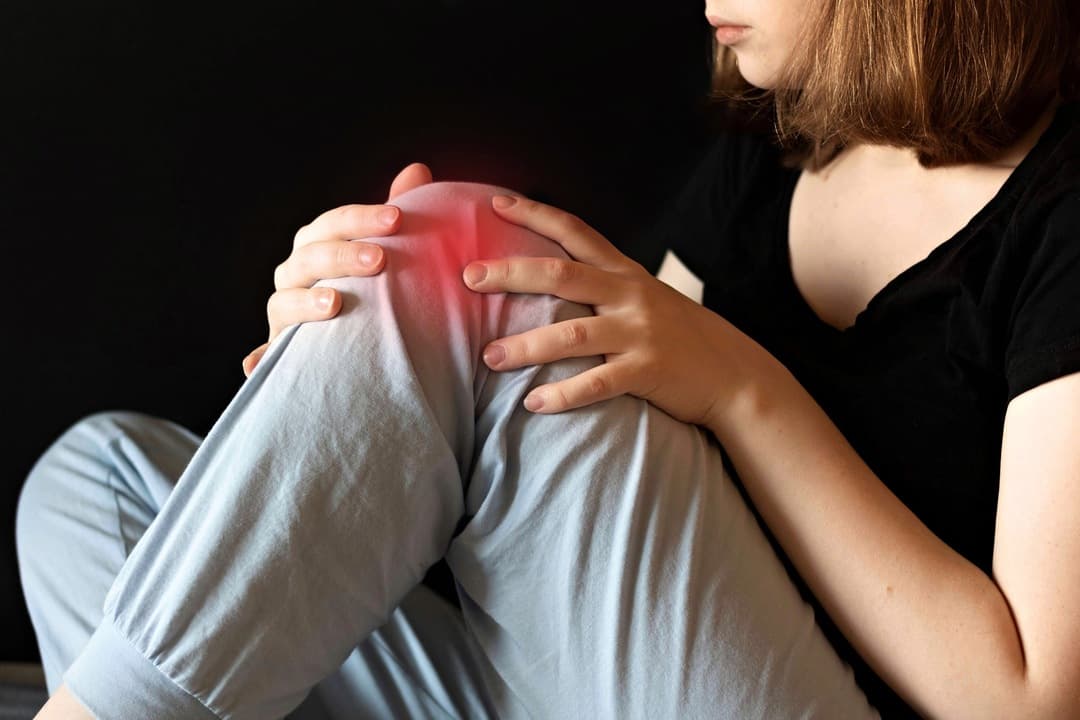
When your joints feel stiff every time the weather changes, the FP Duoduo team's first tip is to see a doctor and let them work out the cause and what to do about it. The other four tips are about how you set up your days for winter: dress for the weather when you go out, keep a regular time to stay active even on cold days, sort out your meals and routine once autumn starts, and take your questions to the right place. These four are everyday things you should be doing in winter anyway. The FP Duoduo team does not see them as a way to deal with joint problems.
What people mean by "weather pain"
Weather pain, sometimes called meteoropathy, is not a medical diagnosis. People use the term for the feeling that a joint or an old injury gets more noticeable when temperature, humidity, and air pressure all shift at once. In Taiwan, winter cold fronts often bring cold, damp air and low pressure together, which is the classic example.
Every year from November to March, the FP Duoduo team's customer service gets messages like this: "Teacher, lately my knees feel stiff whenever the weather turns." There is only so much customer service can say. The FP Duoduo team doesn't see patients, and there's no way to tell what's going on with your knee from one message.
Tip 1: Leave joint concerns to a doctor
If it keeps happening, gets worse, or you can't quite say what's wrong, go see a doctor. Whether to use a cold or warm compress, how you can move, and how much, are all things to let your doctor decide based on your situation. Don't work it out yourself from articles online.
If you're 30 to 40 and already noticing this, don't jump to the conclusion that it's just your age. Old sports injuries and the way you sit at work every day are both worth mentioning to your doctor.
Before your appointment, spend a few days jotting things down: which day the weather changed, which part felt stiff, whether it was morning or night, and what you did that day. A few lines in your phone's notes app is enough. Reading from it once you're sitting in the exam room is clearer than trying to remember on the spot.
Tip 2: Dress for the weather when you go out
On the days a cold front comes through, check the temperature before you head out. Keep the wind off your knees, your neck and shoulders, and your lower back, and add a thin vest under your jacket. If you ride a scooter to work or wait for the bus at a windy intersection, you can wear knee warmers.
The same goes for morning workouts in winter. Toughing it out in shorts and a T-shirt is something our stores hear about a lot. When it's cold, switch to long sleeves and long pants, and walk slowly for a few minutes before you start.
Tip 3: Keep a regular time to stay active, even when it's cold
Once it gets cold, it's easy to come home from work and stay on the sofa all evening. Put activity right into your schedule: 30 minutes a day, picking low-impact options like slow walking, swimming, or an indoor bike.
If it's raining and you don't want to go out, put the indoor bike in the living room in front of the TV, or take a few laps around your building's courtyard after dinner. Setting a fixed time, like 7:30 every evening, makes it easier to keep going than moving only when you happen to think of it. If your doctor has given you separate advice about how much to move, follow what your doctor says.
Tip 4: Sort out your meals and routine once autumn starts
What our stores often see is people only starting to think about taking care of themselves once the cold becomes too much. The FP Duoduo team suggests getting your days in order when autumn begins, which means October: eat three meals at regular times, include all kinds of foods, and keep a fixed time for going to bed and getting up. Then when the cold fronts start rolling in one after another in November, you won't be scrambling at the last minute.
Tip 5: Take your questions to the right place
Ask a doctor about your health. For questions about how to buy JEROSSE 婕樂纖 products, you can ask the FP Duoduo team's customer service.
If you want to check whether someone is a legitimate seller before messaging them, see how to tell whether a JEROSSE seller is one you can buy from. If you've come across reviews or negative reviews online and want to get the facts straight first, read common questions about JEROSSE reviews and negative reviews.
This article is for general information only and is not medical advice. Products mentioned are foods or cosmetics, not medicines, and have no medical effect. If you have a specific health condition, please consult a doctor or dietitian. Orders ship within Taiwan only.