What Are Catechins? The FP Duoduo Team Explains Green Tea Polyphenols
Catechins (EGCG) are an ingredient in green tea that people often talk about. FP covers what they are, how levels differ between types of tea, a daily intake reference, when to drink tea, and common things to watch out for (an empty stomach, caffeine sensitivity), so you can get to know this ingredient.
Translated from the Traditional Chinese original.
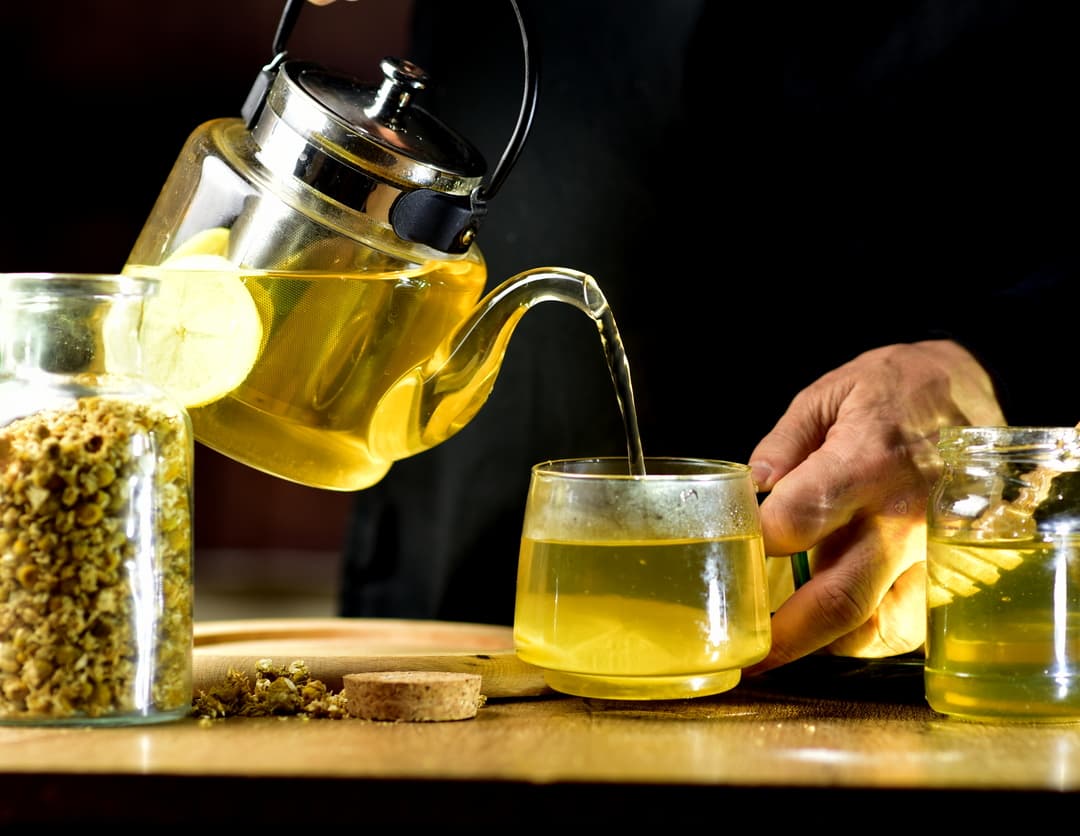
"Catechins" is a word the FP Duoduo team hears a lot in ingredient questions. Green tea and many everyday drinks are connected to it. But a lot of people can't tell catechins, caffeine, and polyphenols apart. Today we'll explain in the plainest way what catechins are and how people usually get them.
1. What Are Catechins?
Catechins (Catechin) are polyphenols found in tea leaves. There are four main types: EC, ECG, EGC, and EGCG. Of these, EGCG (epigallocatechin gallate) is the one found in the largest amounts and talked about the most.
Different teas contain different amounts: green tea > oolong > black tea (the more the tea is fermented, the fewer catechins it has).
2. Topics People Often Discuss
1. Tea Polyphenols and Everyday Drinks
Green tea is an unsweetened drink many people choose every day, and catechins are one source of green tea's flavor and slightly astringent taste.
2. A Member of the Plant Polyphenol Family
Catechins are a type of plant polyphenol and a common natural component of tea leaves.
3. Green Tea and Food Culture
Both Japan and Taiwan have a long habit of drinking green tea, and green tea often comes up when people talk about everyday unsweetened drinks.
4. A Refreshing Taste
A cup of unsweetened green tea after a meal is a habit many people enjoy for its taste.
3. Daily Intake Reference
- Food sources: One cup of green tea (200ml) contains about 70 to 100mg of EGCG.
- Extract supplements: For green tea polyphenol extract supplements sold in stores, follow the suggested amount on the product label.
- A note on limits: Don't overdo tea polyphenol extracts. Follow the label and take a moderate amount.
4. When to Drink It
- Avoid drinking strong green tea on an empty stomach, since it can easily irritate the stomach.
- Avoid drinking it within 4 hours of bedtime, because the caffeine may affect your sleep.
- Avoid drinking a lot of it within an hour before or after meals, because tea can affect iron absorption. People with anemia should pay extra attention.
5. Common Cautions
- People sensitive to caffeine: One cup of green tea has about 30mg of caffeine. If you are prone to trouble sleeping or heart palpitations, you can choose a low caffeine version.
- During pregnancy and breastfeeding: Don't drink too much green tea each day, and avoid high dose extract supplements.
- People taking anticoagulant medication: Catechins may interact with medication, so please talk to your doctor first.
- People with anemia: Avoid drinking a lot of green tea within an hour before or after meals.
FP's Take
- Green tea is a common everyday drink. You can decide how much to drink based on your own taste and daily routine.
- Whatever way you get it, a balanced diet and regular exercise are still the basics. Supplements are just one part of your everyday diet.
Final Thoughts
Catechins are a natural polyphenol in tea leaves that people often talk about. JEROSSE 婕樂纖爆纖錠 contains lychee green tea polyphenol extract in its formula. Please read the product label carefully before use and follow the suggested amount.
This article is for general information only and is not medical advice. Products mentioned are foods or cosmetics, not medicines, and have no medical effect. If you have a specific health condition, please consult a doctor or dietitian. Orders ship within Taiwan only.